

How Florida’s Winter Affects Indoor Air Quality (and What You Can Do About It)

Why Indoor Air Quality Matters During Florida Winters
Even in Florida, our clients love to cozy up during the winter months. We’re spending more time indoors, reading books, playing games, and enjoying the warmth of a fuzzy blanket and a warm mug of tea. But with all the time we spend indoors during these cold(er) months, do we ever stop to think about our indoor air quality? True, Florida “winter” looks different than the frigid seasons up north, but our winters still can create challenges for us. Increased time spent indoors can cause more frequent AC and heat usage, and this can mean big problems for our indoor air quality!
How Winter Humidity Fluctuations Impact Indoor Comfort and Health
Fluctuating outdoor humidity and cold nights that jump drastically during the day can wreak havoc on our homes. These intense fluctuations can create winter humidity issues inside of our homes, businesses and other buildings. Balancing the humidity inside of our house can be tricky, but an unbalanced humidity can lead to uncomfortable indoor conditions, increased respiratory health issues, and musty odors that just won’t go away.
Reduced Ventilation and Its Effect on Indoor Air Quality
In the winter, we keep our doors and windows closed tight to shut out the cold (or sometimes, in Florida, the warmth and humidity)! Reduced ventilation due to closed windows and doors can lead to all sorts of issues. Reduced ventilation can lead to allergens, pollutants, and worst of all, moisture building up in the stagnant rooms and corners of our homes. While it might seem a small problem at the beginning of winter, by the first thaw of spring, the physical, mental and emotional toll will be felt.
Can Mold Grow in Florida Homes During Winter?
Moisture trapped inside of a home can still promote mold growth, even during cold snaps such as the ones Florida has been experiencing recently. Mold prevention in Florida is a year-round issue, not just something to put off worrying about until the warmer months, when the warmth and the humidity help mold really fester. Common problem areas in ALL months include bathrooms, HVAC systems, closets, and any other poorly ventilated rooms in which moisture of any kind is present.

Common Indoor Air Pollutants Found in Winter Months
Common indoor air pollutants in the winter include allergens such as dust mites, pet dander and pollen. It is also important to be mindful of VOCs (Volatile Organic Compounds) that arise from certain cleaning products and paints. Breathing in any of these for prolonged periods of time can be hazardous to your health and lead to respiratory issues, asthma flare-ups, headaches and fatigue.
When to Call an Indoor Air Quality or Mold Specialist
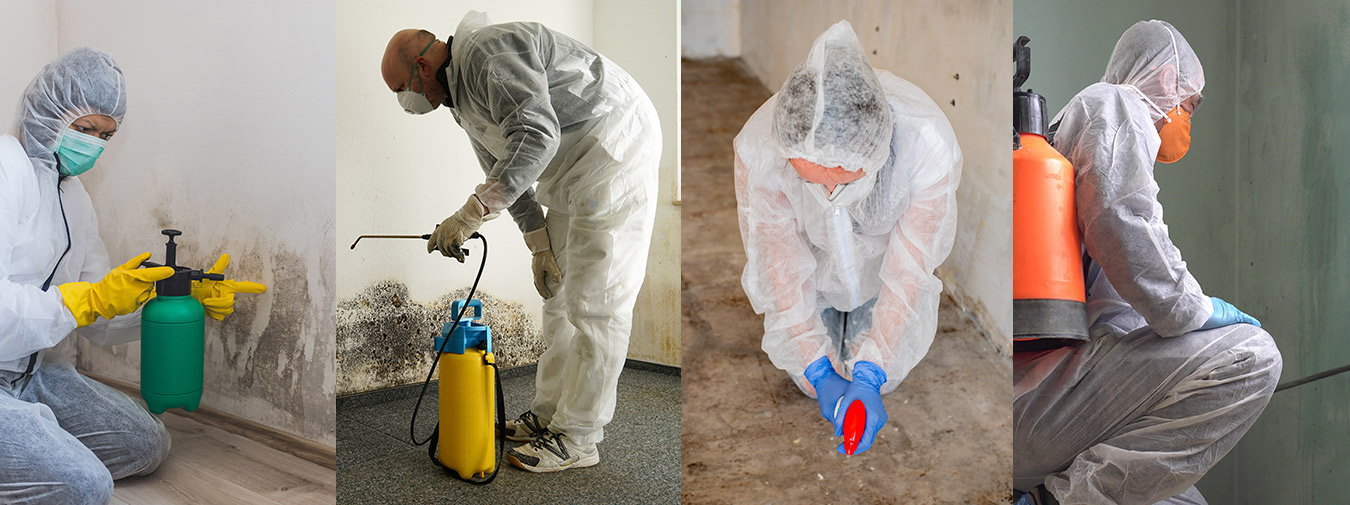
When routine cleaning and humidity control aren’t enough, it may be time to call an indoor air quality or mold specialist. Persistent musty odors, visible mold, ongoing allergy symptoms, or moisture that doesn’t improve with basic maintenance can signal hidden mold issues inside walls, ductwork, or HVAC systems. Professional services such as air testing, duct cleaning, and moisture inspections help identify and eliminate mold spores, allergens, and excess humidity, leading to long-term improvement in indoor air quality Florida homeowners depend on.
Protecting Indoor Air Quality in Florida Homes Year-Round
Florida’s winter brings increased AC use, closed windows, and fluctuating humidity, all of which can trap pollutants and create conditions for mold growth. With proper ventilation, regular HVAC maintenance, and moisture control, winter air can remain clean and healthy. Taking proactive steps toward mold prevention in Florida protects your home, supports better respiratory health, and ensures a safer indoor environment for your family year-round. TCB EnviroCorp has got you covered for all of your air quality and mold remediation needs. Schedule your air quality testing today!