

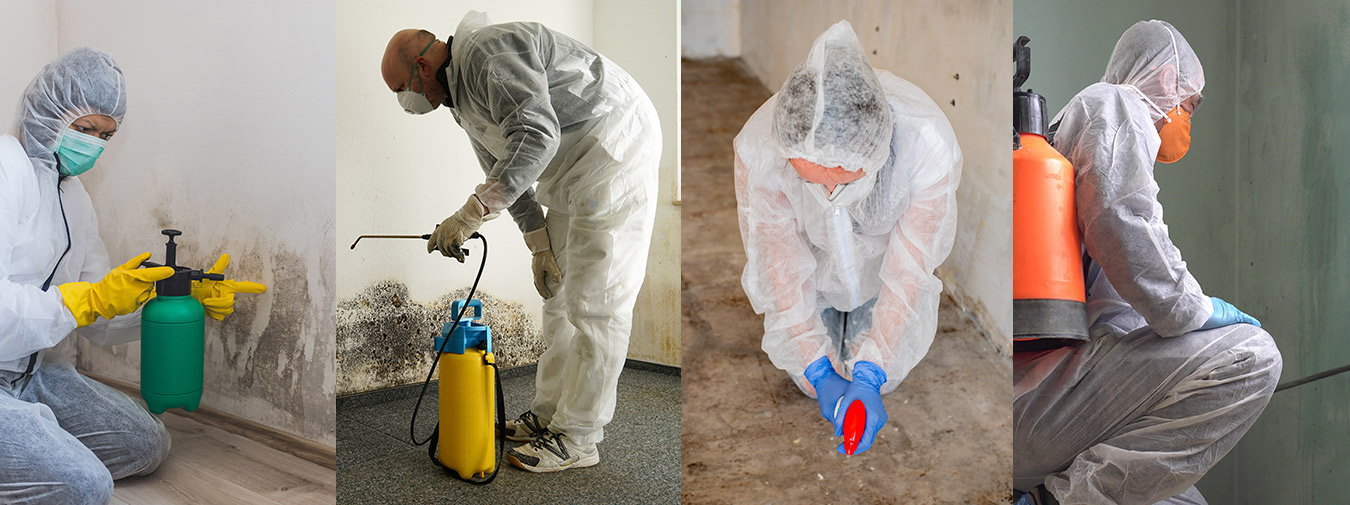
Common Mistakes People Make After Water Damage (and What You Should Do Instead)
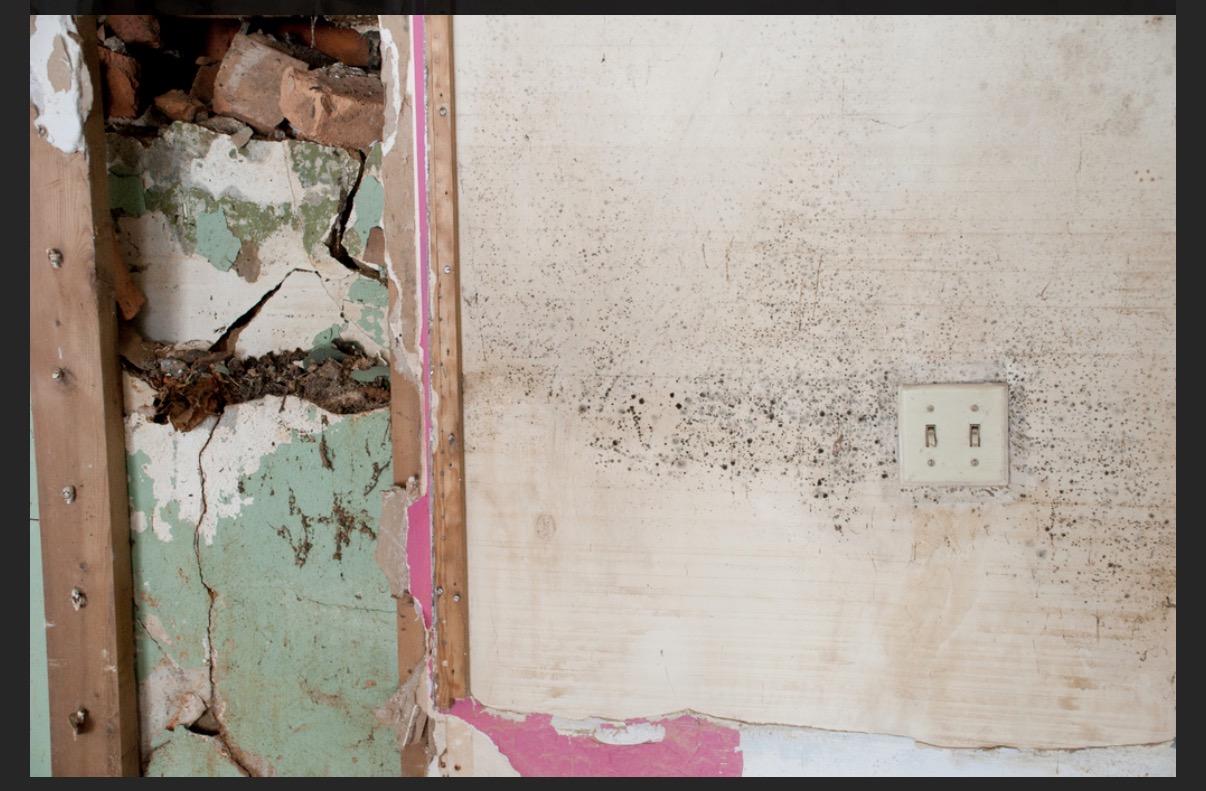
Here are some of the most common water damage mold mistakes—and what to do instead.
Mistake #1: “I’ll Just Let It Dry Out.”
Ah, the classic Florida strategy: wait and hope.
Unfortunately, water doesn’t always evaporate just because you opened a window and turned on a ceiling fan. Moisture can hide underneath flooring, behind drywall, inside cabinets, and in insulation. Those damp, dark spaces are basically a five-star resort for mold.
Do this instead: Start professional drying as quickly as possible. The faster moisture is removed, the better your chances of preventing long-term damage and mold growth.
Mistake #2: Cleaning Everything With Bleach
Bleach has a reputation for being the superhero of household cleaning. But it isn’t a magic wand for water damage. It may not penetrate porous materials effectively, and it certainly doesn’t fix moisture problems.
Do this instead: Identify and eliminate the source of moisture first. Then have affected materials properly cleaned, dried, or removed as needed.
Mistake #3: Ignoring “Small” Water Damage
A little water under the sink? A damp spot on the wall? A ceiling stain after a storm?
Sure, and your smoke detector is probably just being dramatic too.
Small amounts of water can create surprisingly large problems if they remain hidden. Post-flood mold prevention starts with taking every water intrusion seriously.
Do this instead: Document the damage, inspect surrounding areas, and address moisture immediately—even if the visible damage looks minor.
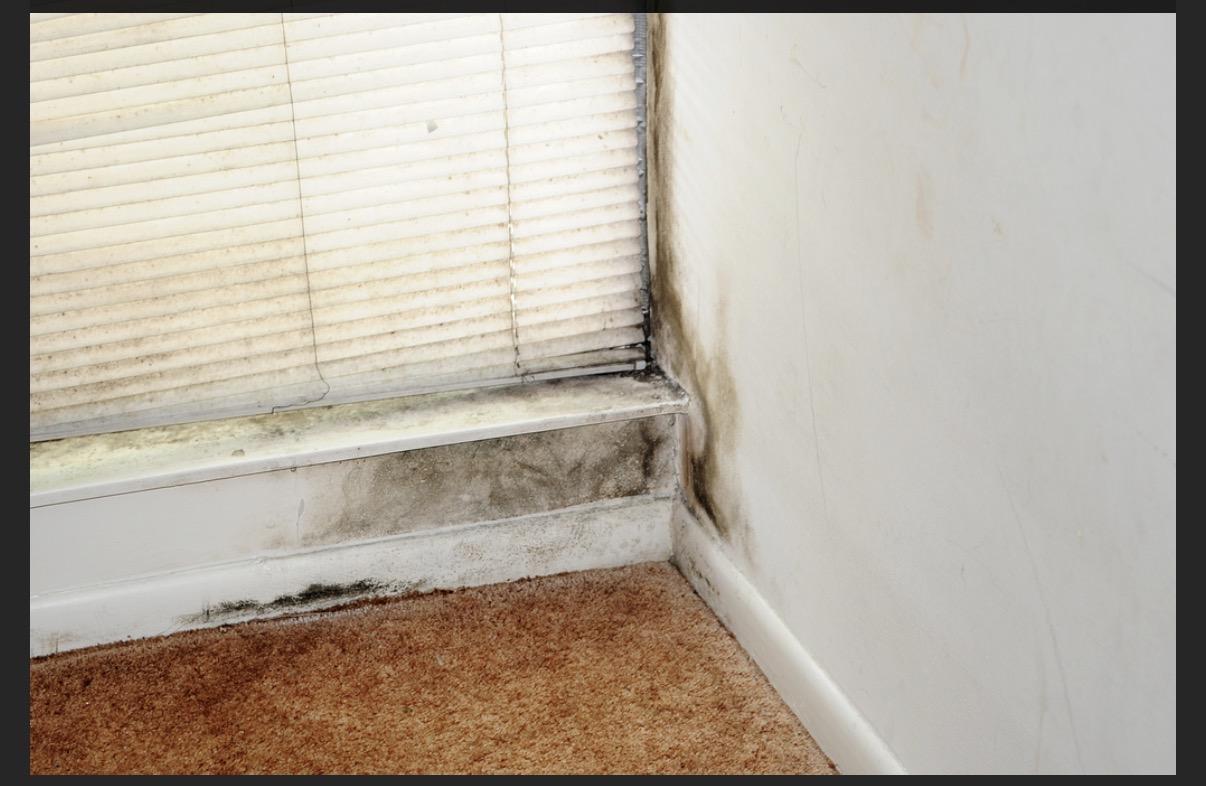
Mistake #4: Waiting Until You Smell Mold
Mold doesn’t always announce itself with a dramatic musty odor. Sometimes it’s quietly growing where you can’t see it.
Do this instead: If your property has experienced significant water intrusion, have it professionally evaluated rather than waiting for obvious signs of mold.
If you want to know what to actually look for in the meantime, we broke down the early warning signs — the ones that show up long before anything is visible or smellable — in Signs of Hidden Mold in Your Home or Business (Before It’s Visible). Worth five minutes if your property has taken on any water this year.
Mistake #5: Trying to Handle a Major Cleanup Yourself
There’s nothing wrong with being handy. But major flooding, contaminated water, or extensive moisture intrusion is not the ideal time to discover your hidden passion for amateur environmental remediation.
Professional mold remediation tips generally boil down to one important rule: deal with the moisture quickly, thoroughly, and correctly.
When Florida’s heavy rains leave you with more water than you ordered, call the experts.
And August is not a coincidence. Storm season stacks the odds against you — water intrusion can turn into a mold problem in as little as 24 to 48 hours. We covered why that happens, and the prep worth doing before the next system rolls through, in Why Hurricane Season Increases Mold Risk — and How to Prepare.
When the Water Wins, Call Someone Who’s Done This for 30 Years
TCB EnviroCorp is a family-owned company licensed for mold assessment and remediation across the state of Florida, and we’ve been diagnosing and restoring water damage here for more than 30 years. We help homeowners and businesses tackle water damage, mold concerns, and the aftermath of Florida’s “surprise” weather events, usually within 48 hours of your call. Because when your building starts hosting unwanted microscopic tenants, it’s probably time to call someone who knows how to evict them.