
Why Hurricane Season Increases Mold Risk — and How to Prepare

For North Florida homeowners, hurricane season brings more than strong winds and heavy rain. It also creates ideal conditions for mold growth. Even minor water intrusion from storms can lead to significant mold problems within 24 to 48 hours, making hurricane preparedness an important part of protecting your home and family.
Understanding why mold risk increases during hurricane season—and taking preventive action before storms arrive—can help you avoid costly damage and health concerns.
Why Hurricanes Create the Perfect Environment for Mold
Mold thrives in moist, humid environments. During hurricane season, homes are exposed to several factors that accelerate mold growth:
- Roof leaks caused by high winds
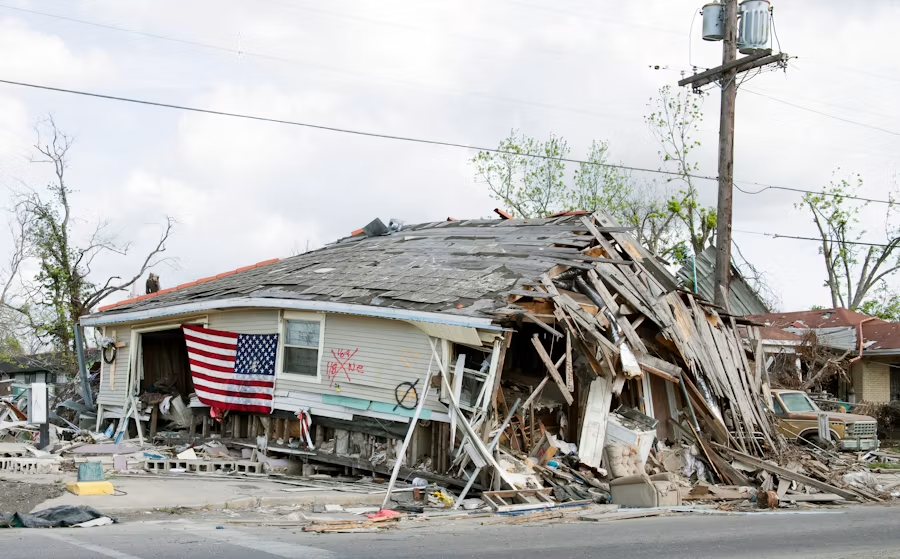
- Flooding and storm surge damage
- Water intrusion around windows and doors
- Elevated indoor humidity levels
- Power outages that prevent air conditioning from controlling moisture
After a storm, moisture can become trapped inside walls, ceilings, insulation, carpeting, and crawl spaces. Because mold spores are naturally present in the air, they only need moisture and organic material to begin growing.
In Florida’s warm climate, mold can spread rapidly after hurricanes if water damage is not addressed immediately.
Hurricane Season Mold Prevention Checklist
Preparing before a storm can significantly reduce the likelihood of mold growth after severe weather.
Before Hurricane Season
72 Hours Before a Storm
What to Do Immediately After a Hurricane
The first 24 to 48 hours following a storm are critical for preventing mold growth.
Storm Mold Tips
- Inspect your property for water intrusion as soon as it’s safe.
- Remove standing water immediately.
- Dry wet materials using fans, dehumidifiers, and ventilation.
- Remove soaked carpeting, drywall, or insulation when necessary.
- Monitor hidden areas such as attics, crawl spaces, and behind walls.
- Watch for signs of mold, including musty odors, discoloration, or visible growth.
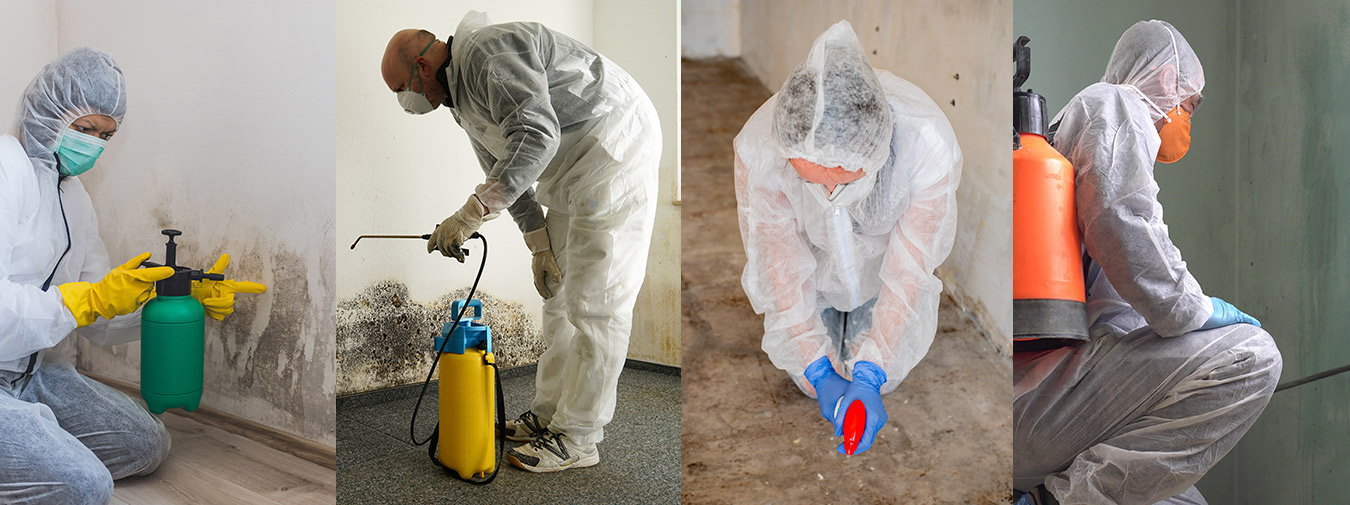
If mold is discovered, professional remediation may be necessary to ensure the contamination is fully removed and does not continue spreading throughout the home.
Protect Your Home This Hurricane Season
Hurricanes are unpredictable, but your mold prevention strategy doesn’t have to be. Taking proactive steps before and after storms can help protect your property, indoor air quality, and long-term health.
If you suspect mold after a storm or want a professional assessment of your property, contact TCB EnviroCorp. Our experienced team provides comprehensive mold inspection and remediation services throughout North Florida. Don’t wait for a small moisture problem to become a major mold infestation.
Contact TCB EnviroCorp today to schedule an inspection and learn how we can help keep your home safe, healthy, and mold-free during hurricane season and beyond.