

How Hurricane Flooding Leads to Mold (and How Professionals Tackle It)
Quick answer: Hurricane flooding causes mold because it soaks building materials like drywall, insulation, carpet, and wood, giving mold the moisture, food source, and warm environment it needs to grow. Wet materials that can’t be cleaned and dried within 24 to 48 hours should generally be removed. Professional mold remediation finds the moisture source, contains the area, removes or cleans affected materials, and controls airborne mold particles.
Hurricanes bring plenty of problems to North Florida—wind damage, power outages, downed trees, flooding, and the occasional backyard trampoline that decides to become an aircraft.
Unfortunately, the storm may leave behind another problem that isn’t always immediately visible: mold.
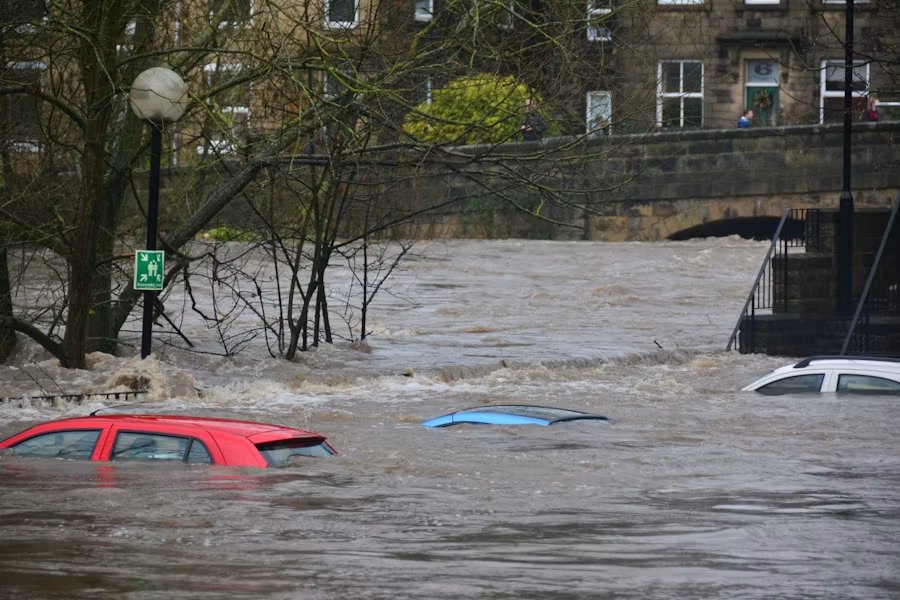
When hurricane flooding enters a home or business, the moisture can create ideal conditions for rapid mold growth. The Florida Department of Health warns that moisture from flooding and leaks can accelerate mold growth and continue causing damage long after the storm has passed.

Why Does Hurricane Flooding Cause Mold?
Mold needs moisture, a food source, and a suitable environment to grow. Unfortunately, a flooded building can provide all three, especially in North Florida’s warm, humid climate.
Drywall, insulation, carpeting, wood, furniture, and other building materials can absorb water. If those materials remain wet, mold can begin establishing itself quickly.
That’s why hurricane cleanup isn’t simply about getting standing water out of the house. The structure and its materials need to be thoroughly dried and evaluated.
How Fast Can Mold Grow After a Hurricane Flood?
Mold can begin growing within 24 to 48 hours after materials get wet. That’s why health officials stress drying your home and its contents as quickly as possible. Waiting until the storm is “over” can give mold time to spread behind walls, under flooring, and inside cabinets, where it isn’t easy to see.
Is Floodwater Different From a Regular Water Leak?
Yes. Stormwater may contain contaminants that make cleanup more complicated than an ordinary plumbing leak. If water has entered from outside, particularly through flooding or storm surge, homeowners should use caution before beginning cleanup.
The Florida Department of Health recommends removing materials that were wet with floodwater and cannot be thoroughly cleaned and dried within 24 to 48 hours.
That doesn’t mean every water-damaged item automatically belongs in the dumpster. It means the condition, material, contamination, and ability to clean and dry it should be evaluated carefully.
How Does Professional Mold Remediation Work?
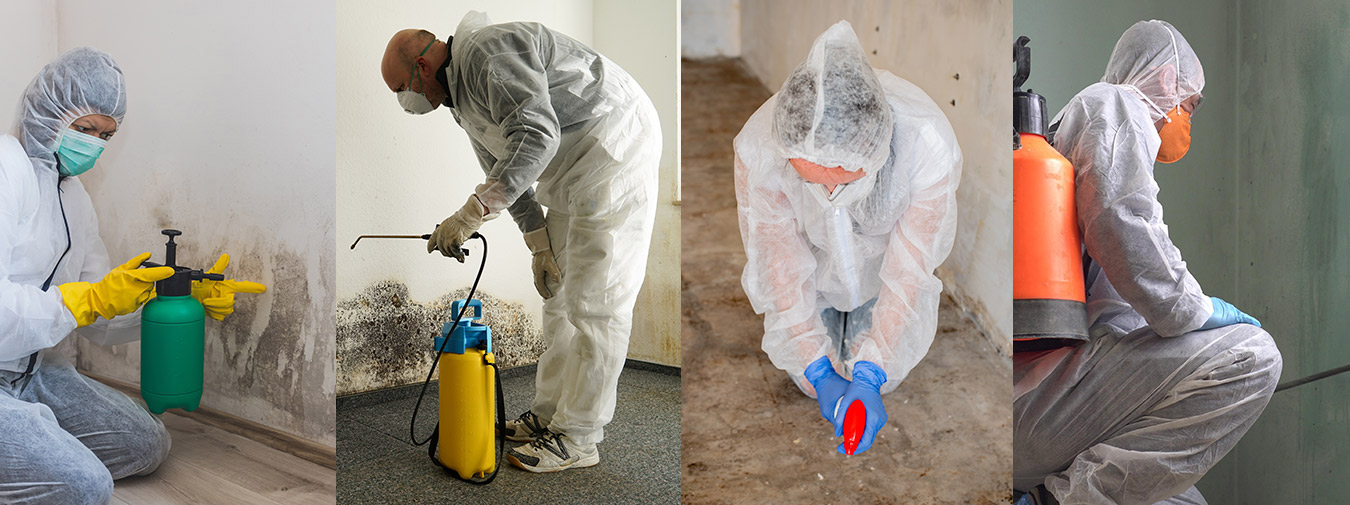
Professional mold remediation goes beyond wiping visible growth from a wall.
A qualified remediation team can typically:
- Evaluate the affected areas.
- Identify moisture sources.
- Establish appropriate containment.
- Remove or clean affected materials.
- Use specialized equipment to help control airborne mold particles.
TCB EnviroCorp’s mold remediation services include inspection and remediation services, with HEPA air-scrubbing and vacuum equipment used when appropriate. TCB also provides restoration services when affected areas require rebuilding after remediation.
The important part is addressing the source of the moisture, not simply treating the symptom. Otherwise, mold can become the world’s least welcome repeat customer.
Don’t Wait Until the Storm Is a Distant Memory
After hurricane flooding, quick action can make a significant difference:
- Document damage with photos for your insurance claim.
- Address standing water when it is safe to do so.
- Dry wet materials and belongings as quickly as possible, ideally within 24 to 48 hours.
- Seek professional help when contamination or extensive mold growth is involved.
If your North Florida home or business has experienced hurricane flooding, don’t let a storm-related moisture problem turn into a long-term mold problem.
Contact TCB EnviroCorp for professional mold remediation in North Florida. Their experienced team can help assess the damage, address mold, and move your property toward a safer, cleaner, more comfortable environment.
Frequently Asked Questions
How soon after a hurricane flood does mold grow?
Mold can start growing within 24 to 48 hours after building materials get wet, which is why fast drying matters.
Do I have to throw out everything that got wet in a flood?
No. Items wet with floodwater that can’t be thoroughly cleaned and dried within 24 to 48 hours should generally be removed. Everything else should be evaluated based on its material, condition, and contamination.
Can I clean up flood-related mold myself?
Small areas of mold from clean water may be manageable, but floodwater can carry contaminants. Extensive mold growth, or water that came from flooding or storm surge, is best handled by a professional remediation team.
What does professional mold remediation include?
It includes evaluating the affected areas, identifying moisture sources, setting up containment, removing or cleaning affected materials, and using HEPA air scrubbers and vacuums to help control airborne mold particles.
Does TCB EnviroCorp offer mold remediation in North Florida?
Yes. TCB EnviroCorp provides mold inspection, mold remediation, and restoration services for homes and businesses in North Florida.