

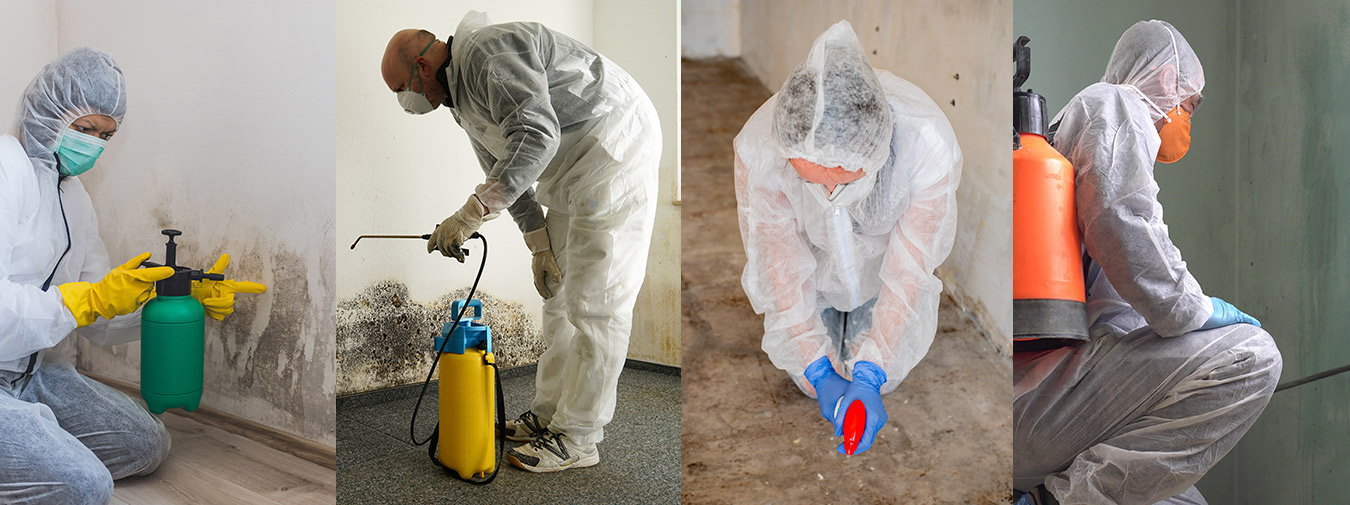
Indoor Air Quality Testing: What It Is and Why It Matters in Florida
Florida living has plenty of perks: sunshine, warm weather, beautiful beaches—and enough humidity to make your bathroom mirror feel like it needs its own weather report. That moisture can also affect the air inside your home.
If you’re noticing musty odors, unexplained moisture, visible mold, or increased allergy symptoms indoors, you may be wondering: Why test air quality? Indoor air quality testing can provide useful information when there are concerns about mold or other indoor environmental conditions.
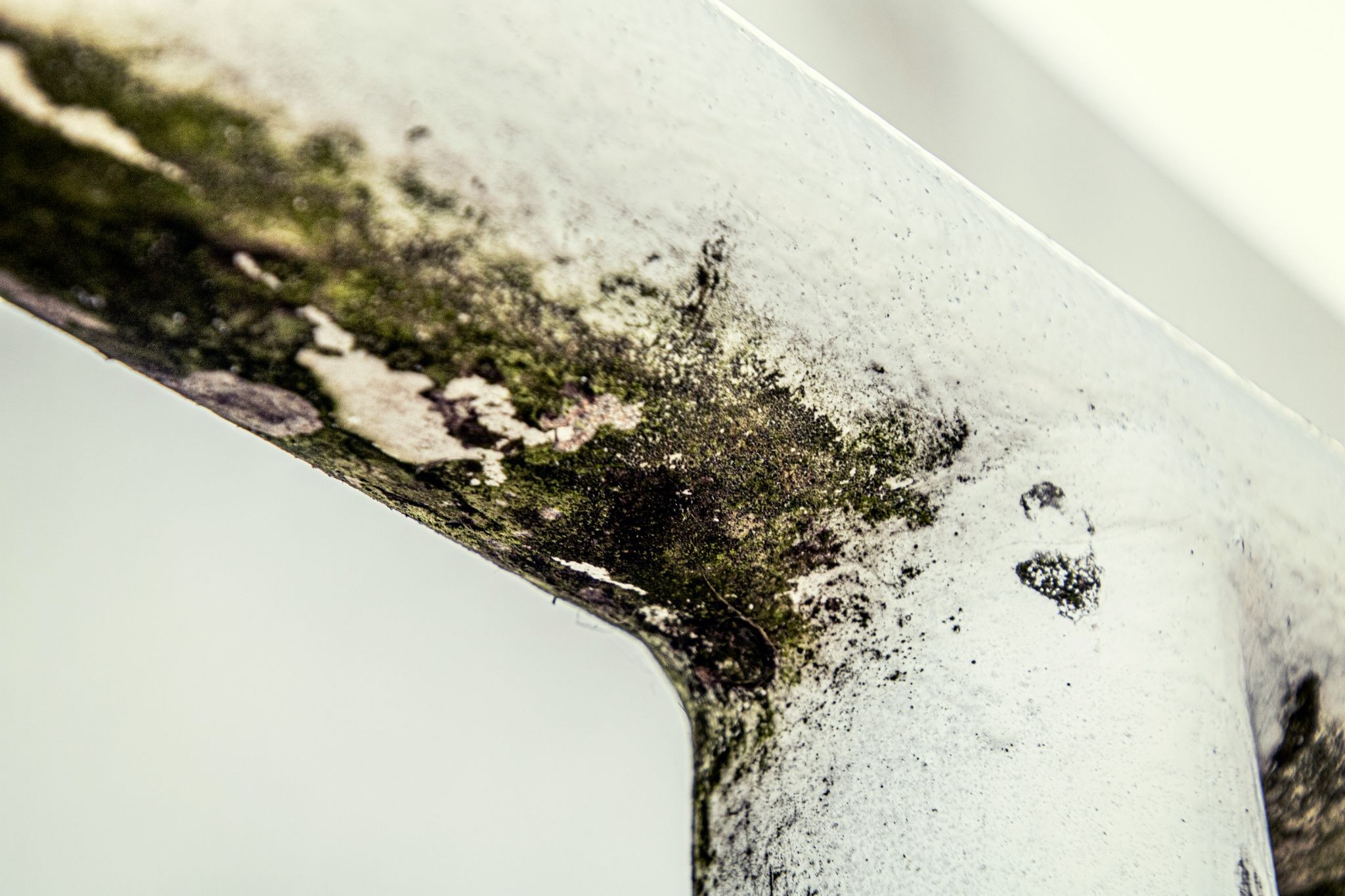
What Is Indoor Air Quality Testing?
Indoor air quality testing is the process of evaluating the air inside a home or building for specific contaminants or conditions. When mold is suspected, this can include air sampling for mold, which collects airborne particles for laboratory analysis.
It’s important to understand that mold spores are naturally present in both indoor and outdoor environments. The Florida Department of Health notes that visible mold growth can often be identified without sampling, and that mold testing is not always necessary. When sampling is appropriate, it should be performed by experienced professionals who understand how to interpret the results.
In other words, a test isn’t a magic “mold-o-meter.” Context matters.
Why Test Air Quality in Florida?
Florida’s warm, humid climate creates conditions where moisture problems can develop quickly. Leaks, condensation, flooding, HVAC issues, and elevated indoor humidity can all contribute to mold growth.
Air quality testing may be considered when:
- There is a suspected mold problem that isn’t easily visible.
- A property has experienced water damage or flooding.
- A persistent musty odor is present.
- Mold has been remediated and additional evaluation is appropriate.
- Homeowners want more information about an indoor environmental concern.
The goal isn’t simply to find a scary-sounding mold name. The bigger picture is understanding what’s happening inside the property and whether moisture or mold-related problems need attention.
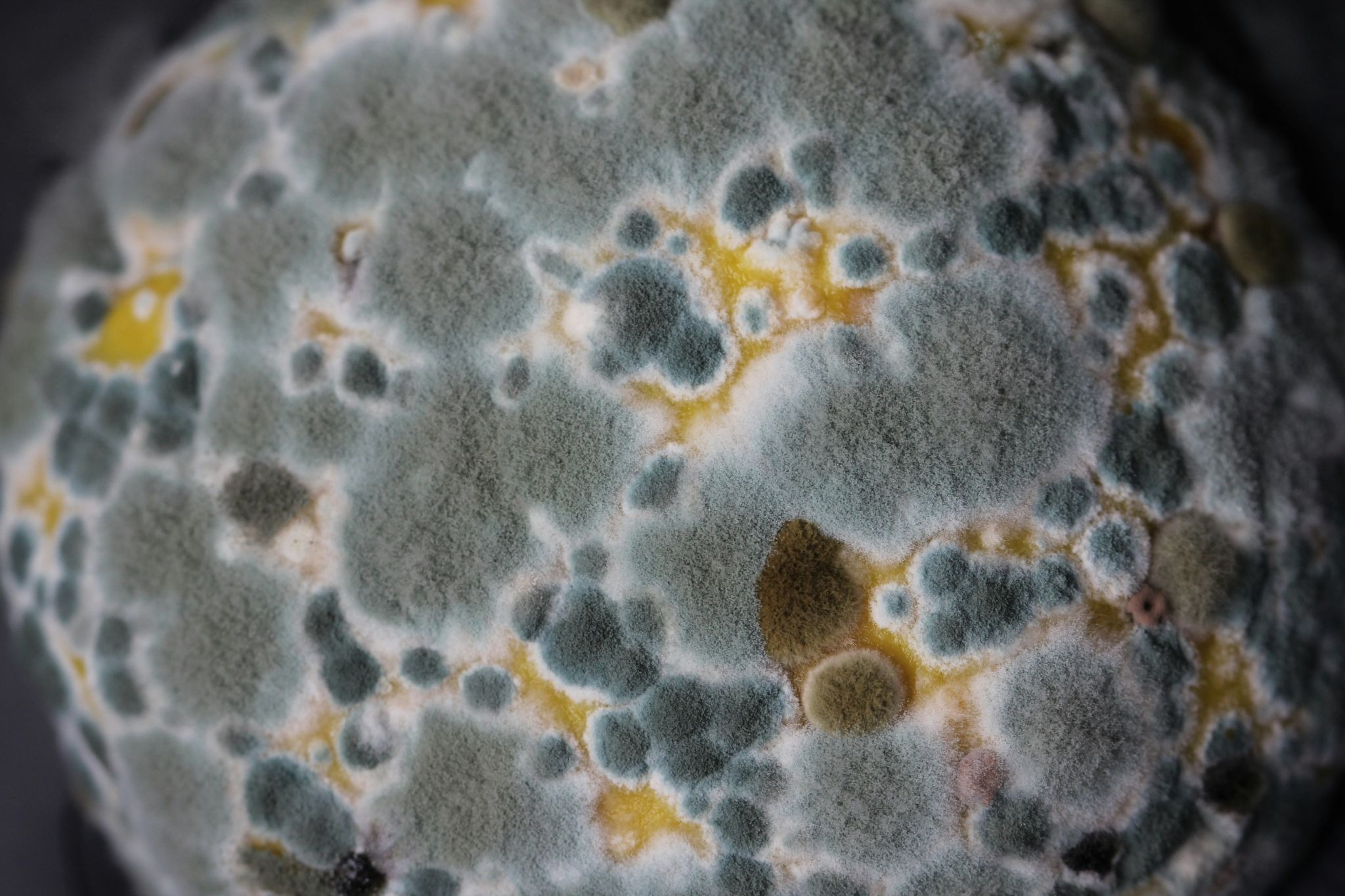
Can Mold Cause Allergy Symptoms?
Seasonal allergies can make people more aware of what’s happening with their indoor environment. While mold is only one possible contributor to allergy symptoms, keeping indoor spaces dry, clean, and properly ventilated is an important part of maintaining a comfortable home.
The Florida Department of Health recommends controlling moisture and keeping indoor humidity below 60%, with below 50% being preferable for mold and dust-mite control.
What Should You Do If You Suspect Mold?
If you suspect mold, don’t panic—and don’t immediately start attacking the walls with every cleaning product under the kitchen sink. Start by identifying the source of the moisture and getting professional guidance when needed.
TCB EnviroCorp provides mold inspection, testing, indoor air quality services, and professional mold remediation throughout North Florida. Their team can help identify the problem and determine the appropriate next steps.
Concerned about mold or indoor air quality? Contact TCB EnviroCorp today and take the first step toward a cleaner, more comfortable North Florida home.
Frequently Asked Questions
Do I need a mold test if I can already see mold?
Not always. The Florida Department of Health notes that visible mold can often be identified without sampling. Testing is most useful when mold is suspected but hidden, when you want to confirm your air quality after remediation, or when symptoms point to a problem you cannot see.
What does indoor air quality testing detect?
When mold is the concern, air sampling collects airborne particles for laboratory analysis to determine whether spore levels inside your home are higher than normal. The goal is to understand whether a moisture or mold problem needs attention, not simply to confirm that spores exist.
Can mold in my home affect my health?
It can. The CDC associates mold exposure with allergic reactions, asthma symptoms, congestion, and respiratory irritation, and some people react more strongly than others. Children, older adults, and anyone with allergies or a weakened immune system tend to notice it first.
How can I prevent mold in my Florida home?
Control moisture. The Florida Department of Health recommends keeping indoor humidity below 60%, with below 50% being better for limiting mold and dust mites. Fix leaks quickly, run your air conditioning and ventilation consistently, and address any water damage within 24 to 48 hours before mold has a chance to establish.