

How to Prevent Mold During Florida’s Rainy Season

Why Florida’s Rainy Season Increases the Risk of Mold Growth
KABOOM! Was that lightning? Thunder? Or another perfectly beautiful property DEMOLISHED due to mold? During the rainy, stormy season in Florida, outdoor moisture levels can lead to increased moisture levels indoors. Excess humidity can be connected to rapid mold growth, especially in hard-to-spot places like behind walls or furniture. While mold testing and remediation can be pricey depending on which company you choose, prevention is an easier and cheaper way to make sure that your home is protected during the Florida rainy season.
How Humidity and Storms Create Ideal Conditions for Mold
In Florida, we get about two weeks of winter before temperatures start soaring again. Warm temperatures and the high humidity in the rainy season lead to ideal mold conditions indoors and outdoors. Frequent storms during the rainy season can also lead to water intrusion from roofs, windows and foundations, and damp indoor environments. Did you know that mold can begin growing within 24-48 hours? So that clear day after a major storm, when your extra-humid home is baking in the Florida sun, is when you need to watch out for signs of mold growth.
Learn more about how quickly mold can spread in our article Don’t Let Mold Lurk: The Dangers of Ignoring Mold Issues.
Controlling Indoor Humidity to Prevent Mold Growth
Indoor humidity levels should be between 30-50% humidity for each room, including extra humid rooms such as bathrooms. But in places like Florida, the outdoor humidity can easily reach 80+. So how do we prevent the number one cause of mold growth? Dehumidifiers and air conditioners that have been regularly maintained can help dry up the environment. To monitor the humidity in your home, install a hygrometer. It is also important to run exhaust fans in especially humid rooms such as bathrooms, kitchens, and laundry rooms, and try to keep doors open for even airflow throughout the home.
Preventing Water Intrusion to Protect Your Home
Preventing water intrusion is another amazing preventative action you can take against mold growth in your home. Inspect and maintain your roofs, windows, and door seals, and gutters and downspouts regularly to ensure no extra moisture or water is damaging your home or property. Ensure that excess water has proper drainage away from the home, check for pooling water around the foundation, and seal any cracks you find in the walls or foundation. Even the tiniest leak can lead to hidden mold, which can lead to thousands of dollars in testing and remediation.
If you’re unsure where water intrusion can occur, our guide Protecting Your Home from Water Damage highlights common risk areas and practical steps to help prevent moisture issues before they lead to mold growth.

Improving Ventilation and Airflow in Your Home
Improving ventilation and airflow will also help keep mold at bay. Using ceiling fans and open windows when possible, turning on the overhead fan when showering, not overcrowding closets or storage areas, and venting dryers and appliances properly can improve air circulation throughout your home. This will help moisture move properly through the home, and help keep it from pooling or becoming stagnant or trapped.
What to Do After Heavy Rain or Flooding
If it rains heavily or even floods in your area, quick action is key to preventing the growth of mold in your home. If you notice a leak or wet spot, dry any and all wet areas within 24-48 hours, remove wet carpets, upholstery and water-damaged materials, and use fans and dehumidifiers to bust the extra moisture in the room. After a rainstorm, go to every room in your house and use your nose to check for lingering musty odors, which are an early sign of a growing mold problem.
To understand how mold spreads through materials and surfaces, read How Mold Spores Contaminate Everyday Objects.
When to Call a Professional for Mold Prevention and Inspection
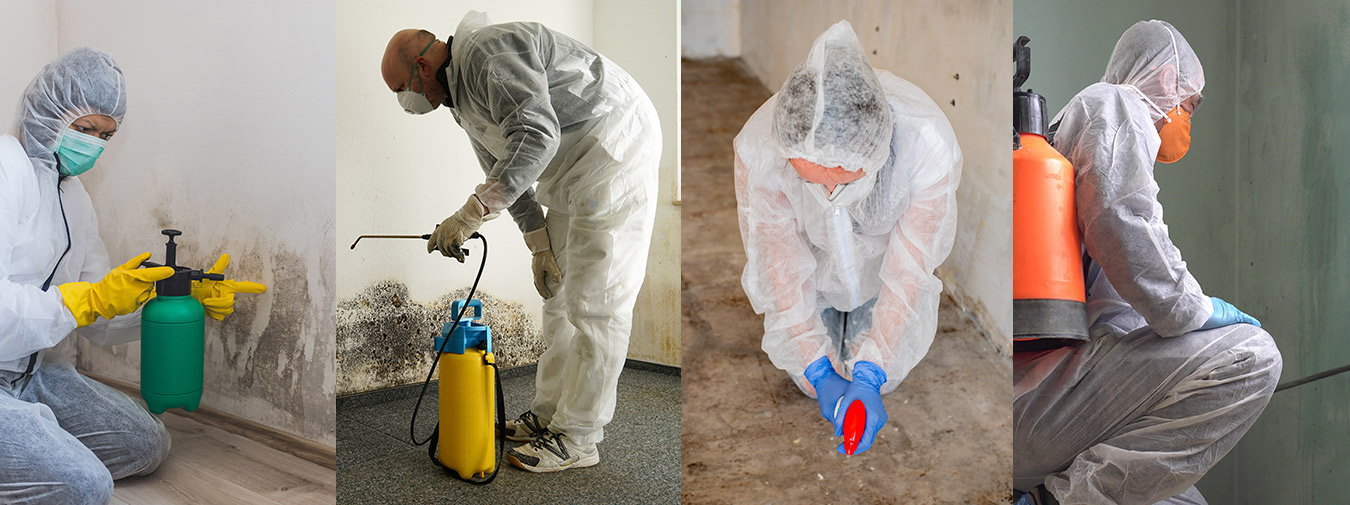
Small steps can mean major protection for your family’s home and their health. If you suspect moisture issues or hidden mold, don’t wait—consulting a professional like TCB EnviroCorp can help you identify problems early and prevent costly damage.
A professional mold inspection can uncover hidden moisture sources and early mold growth, while air quality testing helps detect airborne mold spores affecting your indoor environment. If mold is present, expert mold remediation services safely remove contamination and restore healthy conditions. For homes affected by leaks or flooding, water damage restoration ensures moisture is properly addressed to prevent future mold problems—giving you peace of mind during Florida’s rainy season and beyond.